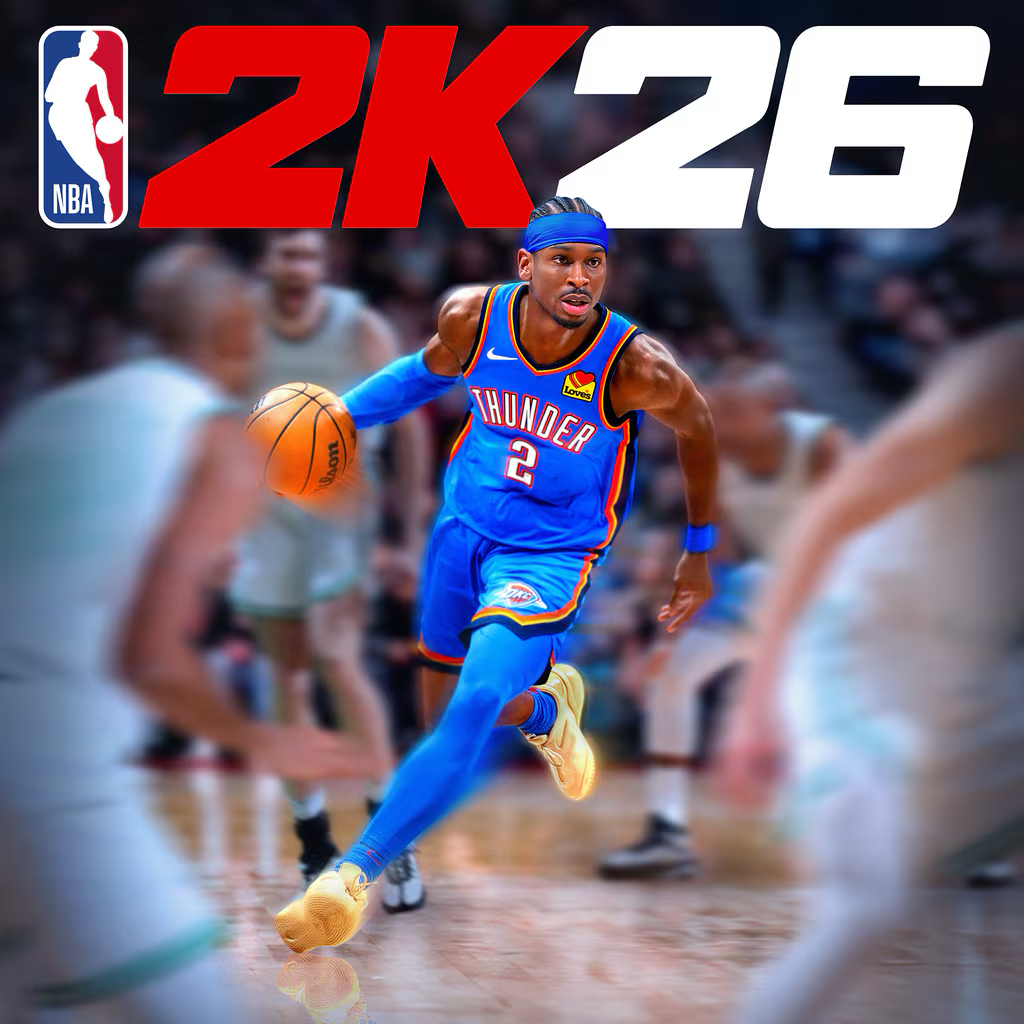
For what I believe to be the most overrated game I chose NBA 2K26, but to be honest you a can put any sports game here because I think they're ALL HORRIBLE. Sports games dominate sales charts every single year. Whether it's FIFA/EA Sports FC, Madden, or NBA 2K, these titles consistently rank among the best-selling games worldwide. They generate massive hype cycles, competitive scenes, and loyal fanbases. But here is a the uncomfortable question: Are sports games actually that good — or are they just familiar?
Why I do not like sports games
I understand eveyone is entiled to their own opinion and that some people do genuinely enjoy them and that's perfectly fine. But I am also entitled to my own opinon and my opinion is that sports are bottom of the barrel when it comes to gaming.
Something that annoys me about sports games is that these games are not just popular they're guaranteed commercial successes. They dominate revenue rankings, fuel esports tournaments, and maintain massive online communities. For many players, buying the newest sports title each year feels less like a choice and more like tradition. And for amount of different sports games out there like NBA2k, FIFA, NFL, and NHL2K to name a few they ALL have the same problems.
The problem with sports games
The Annual Release Cycle Problem
One of the biggest criticisms of sports games is the yearly release model. Every year, players are asked to pay full price, usually 70, 80, or 100 dollars depending on which of the 3 versions of the game you buy, for what often feels like minor updates: roster changes, slight graphical tweaks, small gameplay adjustments. While there are occasional meaningful improvements, many releases feel more like patches than entirely new games.Yet the hype resets annually. Trailers drop then the pre-orders open and sales soar. If any other genre recycled content this consistently, it would face far harsher criticism.
Microtransactions and Monetization
Modern sports games heavily rely on card-collecting modes like Ultimate Team or MyTeam. These systems encourage players to spend money through packs, boosts, and competitive advantages. This is very greedy of the developers considering the previous section on is anual releases. Not only do they expect you to pay full price for a game yearly but they also encourage you to spend more the game to unlock more content. In many cases, these modes generate more revenue than the base game itself. While monetization exists across gaming, sports titles have normalized aggressive microtransaction systems in a way that often escapes the level of scrutiny other genres face.
Innovation Feels Limited
Compared to RPGs, action games, or even indie titles, sports games rarely take major creative risks.The formula is the same for every single new installment: real teams, real players, slightly improved realism, and incremental feature updates There's only so much innovation possible when realism is the primary goal. As a result, gameplay changes tend to be refinements rather than reinventions. That's not necessarily bad, but it does raise the question of whether the praise they receive matches the level of innovation they actually deliver also considering how much they make thier consumers pay everytime.
Final thoughts
Sports games aren't overrated because they're terrible, they're overrated because they're treated as must-buy, essential experiences every single year, despite limited evolution. They succeed because of loyalty, familiarity, and licensing power. Whether that equals greatness is a different debate entirely.